Homeowners often start with a simple question. What is the real cost to paint interior of house when the home has three bedrooms.
Online estimates can look wildly different. Some assume walls only. Others include ceilings, trim, doors, repairs, primer, and multiple coats.
That mismatch can lead to frustration. A do it yourself plan may look cheap until you count supplies, wasted paint, missed prep, and the value of your time.
A professional quote may feel higher upfront, but it often includes surface preparation, cleaner cut lines, faster completion, and a finish that lasts longer.
This guide breaks down the cost of painting interior of 3 bedroom house in plain language. It compares professional and do it yourself paths, highlights the numbers that matter, and helps you decide what delivers the best value in San Antonio.
To go into the room-by-room pricing and options, refer article to DIY vs. Hiring a Pro: Which Is Cheaper for Interior House Painting?, exploring which is cheaper to paint the interior of a house.
What Most Sources Agree On About Interior Painting Costs
Angi provides national and regional benchmarks for interior painting costs per square foot, room level pricing, and labor considerations.
Across many pricing guides, interior painting is commonly estimated by floor space for a whole home project and then adjusted for scope. Several sources place professional interior painting around 2 to 6 dollars per square foot for walls, with higher totals when ceilings and trim are included.
Some guides cite an average professional rate close to 2.75 dollars per square foot for interior walls, and a higher combined rate when walls, ceilings, and trim are included. These are national baselines, not a promise for every home.
Three bedroom homes vary in size, but many fall around 1200 to 2000 square feet of floor space. Using those ranges, a full interior repaint can land anywhere from the mid thousands to well into five figures, depending on prep level and what is included.
The goal is not to chase the lowest number. The goal is to understand what you are buying. A clear scope is what makes quotes comparable.
What Counts as a Three Bedroom Interior Paint Job
A three bedroom interior paint job usually includes bedrooms, common areas, hallways, and sometimes closets. The scope may be walls only or walls plus ceilings and trim.
In real quotes, the biggest price differences come from prep work, number of coats, and detail surfaces like baseboards, door frames, and interior doors.
If your home has textured walls, tall ceilings, lots of doors, or heavy patching needs, the cost of painting interior of 3 bedroom house will move up quickly. If the walls are clean, smooth, and the color change is small, costs tend to stay closer to the lower end.
Typical Interior Painting Costs for a Three Bedroom Home
The table below is designed for planning. It uses realistic round ranges commonly found in national pricing guides and adapts them to a three bedroom interior scope. Actual bids depend on wall condition, ceilings, trim level, and paint selection.
|
Area or Room Type |
Average Cost Range |
Cost per Sq Ft |
Notes |
|
Bedroom |
300 to 700 |
2.50 to 4.00 |
Walls with standard prep. Add for ceiling and trim if included. |
|
Living room |
600 to 1400 |
2.50 to 5.00 |
Higher if tall walls, lots of openings, or major color change. |
|
Kitchen |
450 to 900 |
3.00 to 5.50 |
Degreasing, stain blocking primer, and detailed cut lines add time. |
|
Hallway and entry |
250 to 700 |
2.50 to 5.00 |
High traffic scuffs often require extra durability. |
|
Three bedroom home walls only |
2500 to 6500 |
2.00 to 4.00 |
Planning range for walls only scope. |
|
Three bedroom home full scope |
4500 to 11000 |
3.50 to 6.00 |
Walls plus ceilings and trim with average prep and two coat coverage. |
A Credible Benchmark to Keep You Grounded
A widely cited consumer pricing benchmark notes that interior painting commonly runs about 2 to 6 dollars per square foot, with totals that rise when ceilings and trim are included. Use that as a reality check, then adjust based on scope, prep, and your local market.
DIY Costs: What You Pay For With Do It Yourself Painting
Do it yourself painting has two types of cost. The first is cash out of pocket for materials. The second is time, fatigue, and risk.
For a three bedroom interior, paint quantity is usually bigger than most people expect. A common coverage estimate is about 350 to 400 square feet per gallon for many interior paints. Primer coverage is often lower. Two coat coverage can double the gallons.
Paint is not the only material. You also need rollers, extension poles, quality brushes, painter tape, drop cloths, patching compound, sanding supplies, caulk, primer, and cleaning materials. If you need ladders or a sprayer, that adds more.
A hidden cost is rework. If cut lines are uneven, prep is rushed, or the paint system is mismatched to the surface, the finish can scuff or peel sooner. Fixing those issues later can cost more than doing it right once.
DIY Budget Checklist for a Three Bedroom Interior
Paint and primer based on gallons needed for walls and ceilings.
Patch and prep supplies including spackle, sanding blocks, and caulk.
Application tools including rollers, brushes, trays, and extension poles.
Protection supplies including drop cloths, plastic, and tape.
Cleanup supplies including rags, mild cleaner, and disposal items.
Time estimate. Many homeowners underestimate the hours needed for prep and two coat coverage.
Paint coverage reference used for planning: Lowes paint calculator coverage guidance
Professional Costs: What You Pay For With a Pro Crew
A professional bid usually bundles labor, prep, masking, application, and cleanup. Many crews also include guidance on sheen selection and product choice for kitchens, baths, and high traffic areas.
Labor is often the largest portion of a professional job. This is especially true when prep and detail work are included.
In a three bedroom home, professional value often shows up in the details. Clean cut lines, uniform coverage, repaired surfaces, and consistent sheen make the home look finished rather than freshly covered.
Professionals also help reduce disruption. Instead of stretching the job across weekends for weeks, many crews can complete it in a compact schedule with predictable steps.
Professional vs DIY: The Real Comparison
DIY can be cheaper when the home is empty, the walls are in great shape, and the color change is minimal. In that scenario, the main cost is materials and your time.
Professional painting tends to win when there is heavy patching, dark to light color change, multiple rooms with trim detail, or tight timelines. It also tends to win when you want a finish that holds up in high traffic zones.
A helpful way to decide is to price your own time. If you spend many hours prepping and painting, consider what that time is worth.
Another factor is risk. Paint mistakes are not always cosmetic. Poor preparation can cause adhesion issues, and rushed cleanup can leave splatter on floors and fixtures.
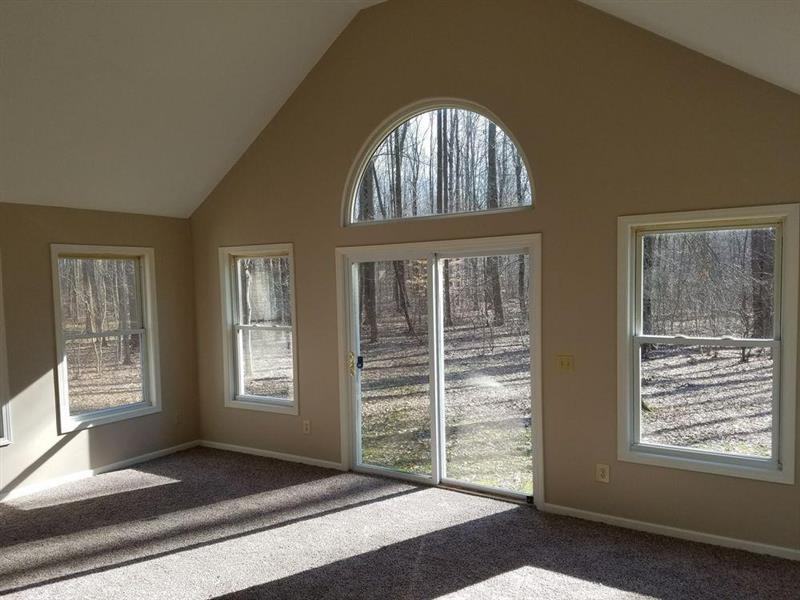
Maximizing Your Painting Investment
Interior painting pays off best when it is planned like a long term upgrade rather than a quick cosmetic change.
Invest in quality preparation. Solid prep can significantly extend paint life because the coating bonds to a stable surface.
Choose appropriate paint grades. Match the paint system to how the room is used. Washable finishes make sense in hallways and kitchens.
Plan for regular maintenance. Small touch ups every two to three years can reduce the need for a full repaint.
Consider climate factors. San Antonio heat and humidity make moisture resistance and proper curing time more important, especially in kitchens and baths.
When to Schedule Your Project in San Antonio
Interior painting is available year round, but some months offer better scheduling flexibility. Cooler months can be more comfortable for ventilation and may offer better availability.
Exterior painting is more weather dependent. Many homeowners aim for spring or fall to avoid intense heat and sudden storms.
Avoid peak heat periods when possible. Very hot days can affect comfort and can complicate curing when ventilation is limited.
If you prefer a professional finish and a predictable timeline, working with a local crew can simplify the process.
Rodriguez Painting San Antonio focuses on clear scopes, careful prep, and durable interior systems that match each room’s needs.
At Rodriguez Painting Georgia you can hire our professional painters for a quick scope review and timeline, or request a free estimate. Call us at 210-862-3090 and get a free quote today.
Conclusion
The cost of painting interior of 3 bedroom house depends on scope. Walls only pricing is usually lower. Adding ceilings, trim, repairs, and major color changes increases the total.
Do it yourself painting can work when the home is simple, your schedule is flexible, and you enjoy the process. Professional painting often delivers better value when prep is heavy, time is limited, or finish expectations are high.
The best decision comes from comparing like scopes. Confirm coats and prep, ask what is included, and choose the option that protects your home and your time.
To go into the room-by-room pricing and options, refer article to DIY vs. Hiring a Pro: Which Is Cheaper for Interior House Painting?, exploring which is cheaper to paint the interior of a house.
Request a detailed interior estimate for your three bedroom home today.
Contact Rodriguez Painting San Antonio using the Contact Us page or call us at 210-862-3090.
FAQs
What is the typical cost to paint interior of house for a three bedroom layout?
For a three bedroom home, the cost to paint interior of house usually falls between 2500 and 6500 for walls only. A more complete scope that includes ceilings and trim often ranges from 4500 to 11000, depending on prep work, paint quality, and the number of coats required.
Is DIY always cheaper than hiring a professional painter?
DIY painting can appear cheaper upfront, especially if the walls are in good condition and the color change is minimal. However, once material costs, time investment, and the risk of rework are considered, professional painting often delivers better long term value and durability.
How many gallons of paint are needed for a three bedroom house interior?
Most interior paints cover around 350 to 400 square feet per gallon per coat. Since most projects require two coat coverage, the total gallons needed increase quickly. Primer and ceiling paint may add to the total depending on wall condition and color change.
What paint finish works best for a three bedroom home interior?
Eggshell is commonly used for bedrooms and living areas because it balances appearance and cleanability. Satin finishes perform well in higher traffic spaces, while semi gloss is often chosen for trim and doors due to its durability.
What factors increase the cost of painting a three bedroom interior the most?
The biggest cost drivers include surface preparation, heavy wall repairs, major color changes, and the amount of trim, doors, and ceilings included in the project. Tall walls and textured surfaces can also increase labor time.
How long does it take to professionally paint a three bedroom house interior?
A standard three bedroom interior repaint can often be completed in a few days when the scope is clear and prep work is straightforward. Projects with extensive repairs, multiple colors, or detailed trim work may take longer.
How can homeowners compare painting quotes fairly?
To compare quotes accurately, each estimate should clearly list prep work, primer use, number of coats, paint type, and which surfaces are included. Quotes are only comparable when the scope of work matches.
Do homeowners need to move furniture before interior painting begins?
Many professional crews can move and protect larger furniture items. Homeowners can help speed up the process by removing small items, wall decor, and fragile belongings before the project starts.