If you are trying to estimate the cost to paint exterior of house, you are already asking the right question. Exterior painting is one of the highest impact upgrades for curb appeal, but it is also one of the easiest projects to misbudget.
Pricing can look confusing because two homes with the same square footage can land in very different cost ranges. One may need heavy scraping and priming, while another only needs light prep and a repaint. One may be stucco with hairline cracks, while another is siding with peeling paint and exposed wood.
This guide explains what homeowners should expect to pay, especially if you are looking for exterior house painting cost in San Antonio. It also breaks down how pricing is commonly calculated, which line items matter most, and how to protect your investment so the finish lasts.
Throughout this blog, you will see pricing benchmarks pulled from widely referenced industry cost resources, including per square foot ranges and project totals used by homeowners to plan realistic budgets.
Quick cost snapshot for most homes
Most reputable cost guides place exterior painting in a broad range, often around $1.50 to $4.00 per square foot for paintable exterior area, with higher totals for multi story homes and complex prep needs.
CertaPro Painters publish higher per square foot totals when the scope includes extensive prep, specialty coatings, or more detailed trim and window work.
San Antonio pricing commonly appears within the same national bands, with many local guides citing typical totals in the mid thousands for standard single family repaints, then rising with stucco repair, multiple colors, and access challenges.
What homeowners are really paying for
When you pay for exterior painting, you are paying for four main buckets.
Preparation and surface repair
This includes pressure washing, scraping, sanding, caulking, patching, wood replacement, rust treatment, and spot priming.
Materials
This includes exterior primer, finish paint, caulk, patching compounds, masking materials, and protective coverings.
Labor and access
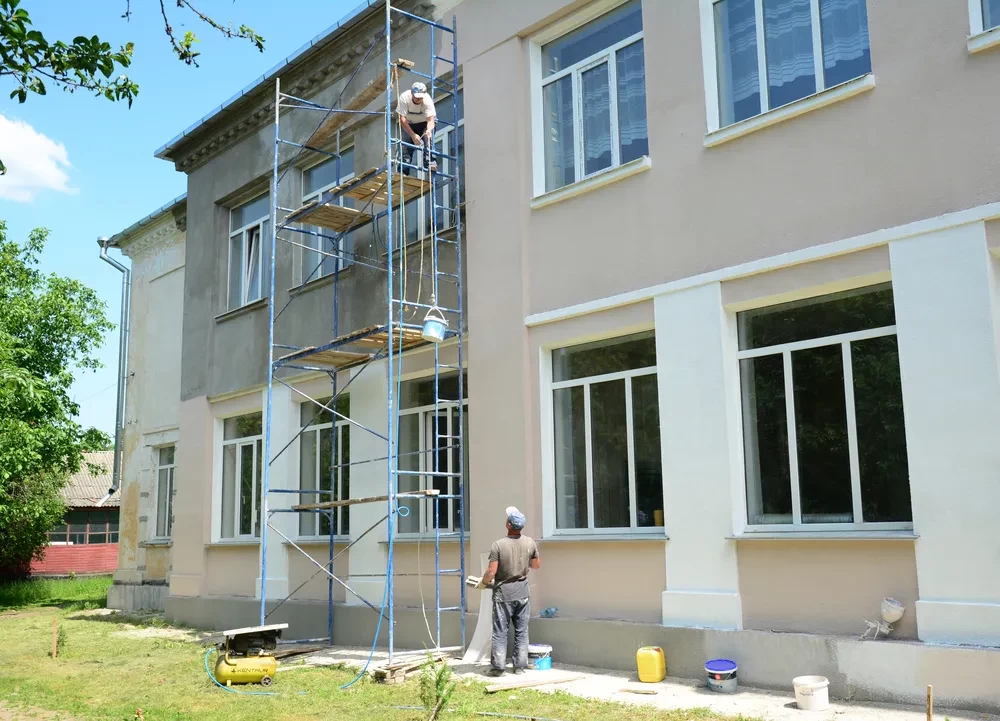
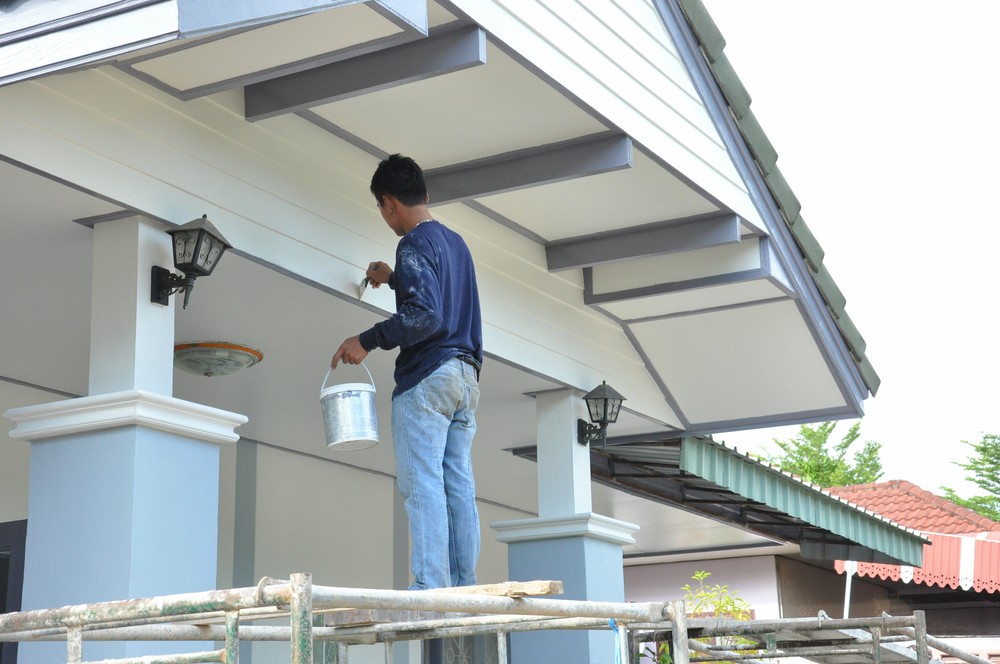
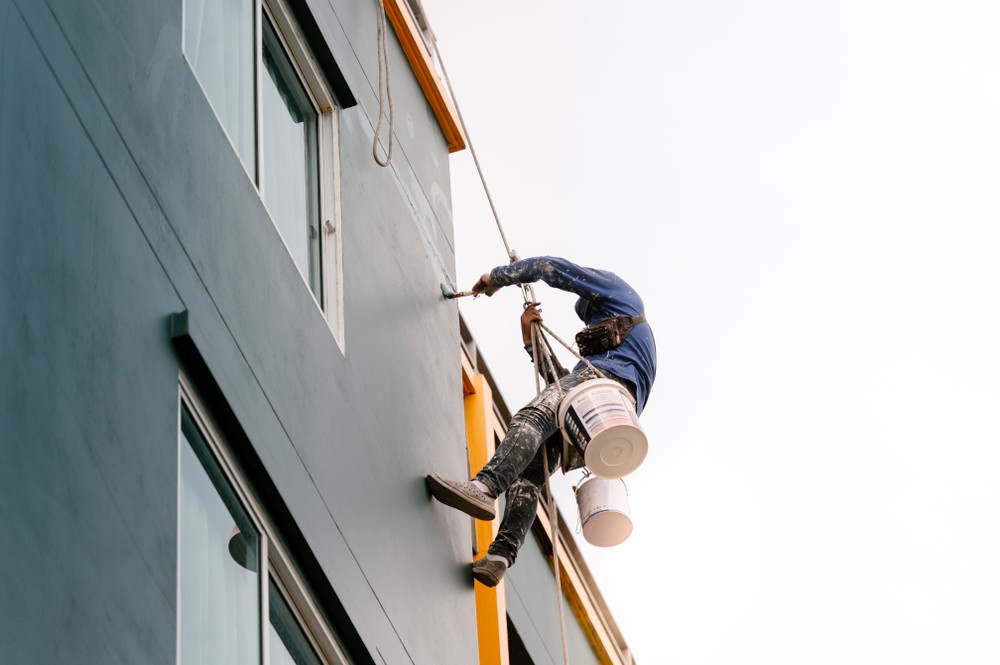
This includes application time, ladder work, lift or scaffolding needs, and extra time for dormers, steep roof lines, and second story walls.
Finish quality and durability
This includes the coating system, number of coats, and the level of detail around trim, fascia, soffits, eaves, and windows.
If you want the paint to last, the project is won or lost in prep and product selection. This is why quotes that look cheaper can become expensive later.
Cost to paint exterior of house by square footage
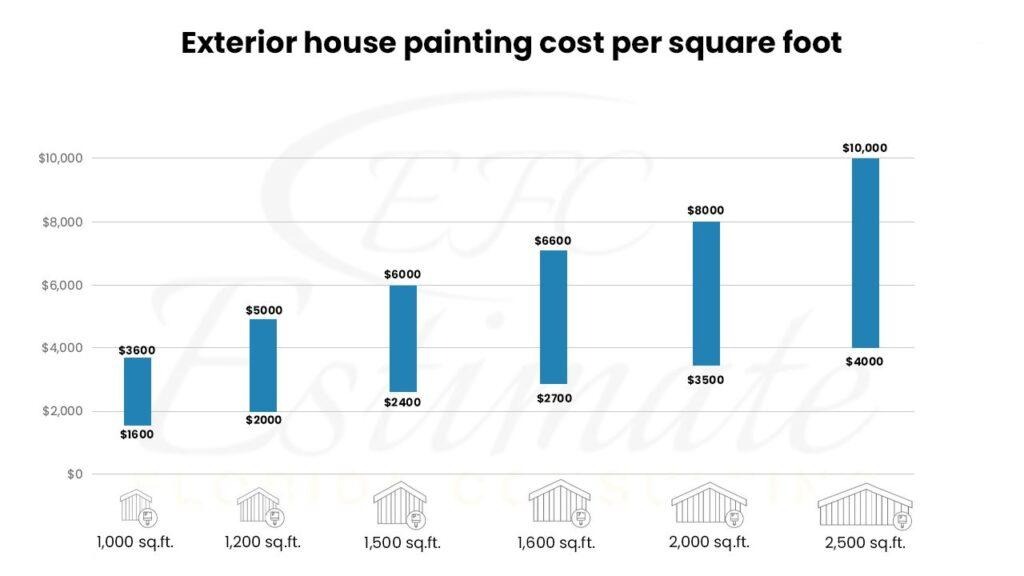
A common way to estimate cost is to start with paintable surface area, not just floor plan square footage. Still, many homeowner guides provide useful planning numbers by home size.
One widely cited cost breakdown shows a range of $1.50 to $4.00 per square foot and lists sample totals by paintable area, such as 1,000 square feet costing about $1,500 to $4,000, with larger surface areas scaling upward.
Another guide presents similar guidance, also pointing out that the number of stories can increase costs significantly because of access and time.
A separate estimator style source lists a January 2026 basic range around $2.20 to $4.37 per square foot, which reflects how site conditions and options can shift the final total.
What this means for San Antonio homeowners
For exterior house painting cost in San Antonio, your realistic budget usually starts with the national per square foot range, then adjusts for the local mix of common surfaces such as stucco, brick, and siding, plus heat exposure and sun intensity.
Local cost write ups for San Antonio commonly cite totals ranging from a few thousand for standard repaints to higher totals when prep, stucco condition, or multiple colors increase scope.
Exterior painting cost ranges by material
Exterior material changes everything because it changes prep time, primer choice, and how paint bonds.
Siding and wood
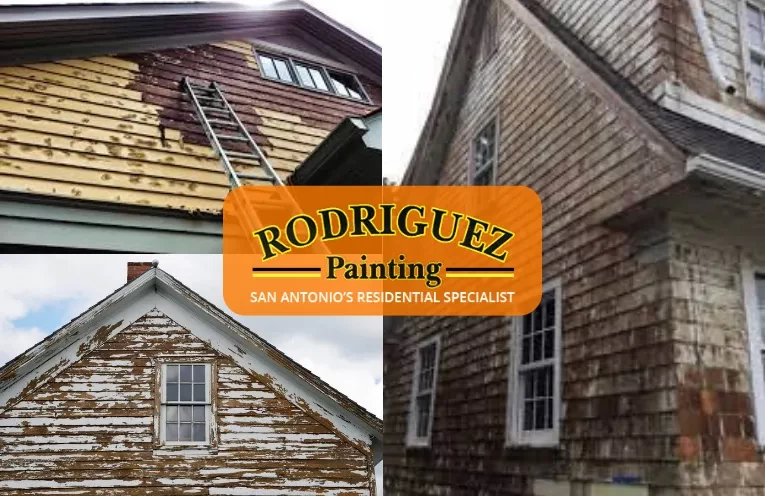
Wood siding can look incredible when painted well, but it demands careful prep. Scraping peeling paint, sanding edges smooth, and sealing exposed wood are time heavy steps.
If your home has wood rot, fascia damage, or loose boards, repair costs can rise before paint is applied. Many quotes separate repair from painting so the scope stays transparent.
Stucco
Stucco often needs crack repair and the right coating system to prevent hairline cracking from telegraphing through the finish. Elastomeric or high build coatings may be recommended depending on condition, which can influence materials and labor.
Cost sources highlight that stucco work can involve additional steps like more aggressive surface prep and priming systems.
Brick
Brick is not always painted, but when homeowners want a painted brick look, the system matters. The surface must be clean, stable, and prepared to avoid trapping moisture. Breathable masonry coatings and proper priming play a big role.
Fiber cement and engineered siding
These surfaces can take paint well, but proper washing, drying time, and caulking are still crucial. Most failures here come from skipping prep, not from the paint.
The biggest cost drivers in San Antonio exterior painting
If you want a quote that makes sense, focus on these factors.
Prep work level
Prep is the silent budget driver. Washing alone is not enough.
A lasting paint job usually includes some combination of scraping, sanding, caulking gaps, repairing minor damage, and spot priming. When prep is skipped, paint can fail early, especially on sun facing walls.
Number of stories and access
Two story and three story homes take longer. Access adds time and safety considerations. Some sources note that costs can rise by around 50 percent per additional story because of complexity and height.
Trim, windows, and detail work
Trim can be slow because it requires careful cutting in, masking, and multiple passes. Homes with lots of windows, shutters, and architectural detail often cost more, even if the total wall area is not huge.
Coats and color changes
A simple repaint with the same color may need fewer adjustments. A dramatic color change, especially going from dark to light, can require more primer work and an extra coat.
Paint grade and coating system
Paint is not just paint. Exterior acrylic latex systems are common, but grades vary in durability, fade resistance, and washability.
Higher quality products can cost more up front but reduce early fading and chalking. Many guides emphasize that paint quality impacts both performance and long term value.
Climate and sun exposure in San Antonio
San Antonio heat and intense sun can stress exterior coatings. South and west facing walls often fade faster and may need stronger UV resistance.
In humid periods, drying and curing conditions matter too. Timing and product selection can help prevent blistering, peeling, and uneven sheen.
Exterior house painting cost in San Antonio
Homeowners searching for exterior house painting cost in San Antonio typically want a clear number, but it is better to think in tiers.
Budget tier repaint
This tier is often a simpler repaint with limited prep and fewer repairs. It is still professional, but it focuses on stable surfaces and straightforward access.
San Antonio cost write ups often place common repaints in the mid thousands, with variation based on size and prep.
Mid tier standard professional repaint
This tier includes fuller prep and a clearer coating system, often with two finish coats where needed and more careful trim work.
Many national guides provide useful baselines here, including per square foot ranges and typical totals for homeowners.
Premium tier full prep and durability focused system
This tier is where you see the difference in longevity. More time goes into scraping, sanding, repairs, full priming of problem areas, and higher grade coatings.
Some sources cite higher per square foot ranges when accounting for more intensive scope.
A simple cost planning homeowners can use
This table is for quick budgeting. It is not a quote. It helps you map your home into a realistic range.
|
Paintable Exterior Area |
Typical Cost Range per sq ft |
Estimated Total Range |
Notes |
|---|---|---|---|
|
1,000 sq ft |
$1.50 to $4.00 |
$1,500 to $4,000 |
Smaller footprint, fewer details often lowers labor |
|
1,500 sq ft |
$1.50 to $4.00 |
$2,250 to $6,000 |
More trim and openings can push higher |
|
2,000 sq ft |
$1.50 to $4.00 |
$3,000 to $8,000 |
Two story layouts often start adding access cost |
|
2,500 sq ft |
$1.50 to $4.00 |
$3,750 to $10,000 |
Prep level becomes a major swing factor |
If your home has heavy peeling paint, stucco cracking, or significant wood repair, it can land above these ranges.
How to estimate paint quantities without guessing
Homeowners often underestimate how much paint is needed, which leads to inconsistent sheen and color matching when buying additional gallons later.
A widely used rule of thumb is that one gallon typically covers about 350 to 400 square feet, depending on surface texture and coverage needs.
Exterior textures such as stucco can reduce coverage. Primer coverage can also differ.
If you want a fast estimate, the Sherwin-Williams paint calculator and guidance on paint coverage offers a helpful planning baseline for gallons needed based on area.
This does not replace a professional takeoff, but it helps homeowners understand why paint quantity is not a flat number.
Safety and lead paint considerations for older homes
If your home was built before 1978, lead based paint may be present. Exterior scraping and sanding can create hazardous dust and chips.
The Lead Renovation Repair and Painting program explains how lead safe work practices apply to contractors and how homeowners can approach projects safely.
This topic is not meant to alarm anyone. It is meant to help homeowners ask the right questions, especially when prep work involves disturbing old coatings.
Best practices for long lasting results
Exterior painting is not only about the day it looks fresh. It is about how it looks after heat, sun, rain, and time.
Invest in quality preparation
Prep is the most reliable predictor of longevity. When surfaces are cleaned, scraped, sanded, caulked, and primed correctly, paint bonds better and lasts longer.
This matters in San Antonio where sun exposure is intense and surfaces can expand and contract.
Match paint grade to exposure
A south facing wall and a shaded wall do not behave the same. Higher UV exposure often benefits from higher grade exterior products designed for fade resistance.
High traffic exterior areas like doors, trim edges, and garage surrounds may also benefit from more durable finishes.
Plan for maintenance
A good exterior paint job still benefits from light maintenance. Simple cleaning, touch ups in problem areas, and early attention to small peeling spots can prevent bigger failures.
Consider moisture and humidity windows
Even in Texas, humidity spikes happen. Paint needs proper conditions to cure. The timing of wash day, dry time, and paint day matters.
When to schedule your project in San Antonio
Timing affects both results and sometimes pricing.
Exterior painting
Many homeowners aim for moderate weather windows, often spring and fall, so surfaces are dry and temperatures are stable.
Avoid extreme heat months when possible
High heat can affect application and worker efficiency, and it can shorten open time during cutting in and rolling. If summer is your only option, experienced crews plan start times and product selection to match conditions.
DIY vs professional exterior painting
Exterior painting is one of the projects where DIY can look affordable on paper but become expensive in practice.
DIY costs usually include paint, primer, caulk, brushes, rollers, ladders, masking supplies, and time. Mistakes often come from skipping prep, using the wrong primer, or applying too thin a coat.
Professional painting adds labor cost, but it also reduces risk, improves safety, and typically delivers a cleaner finish with better durability.
One cost guide notes that hiring a professional painter adds a noticeable per square foot cost but saves major time in prep, painting, and cleanup, especially for exterior work at heights.
For many homeowners, the best value is professional work with clear scope, clear prep steps, and a defined coating system.
At Rodriguez Painting San Antonio you can hire our professional painters for a quick scope review and timeline, or request a free estimate. Call us at 210-862-3090 and get a free quote today.
Conclusion
The cost to paint exterior of house depends on far more than house size. Prep level, number of stories, surface type, coatings, and detail work all shift the final investment.
For exterior house painting cost in San Antonio, most homeowners land within national per square foot ranges, then move up or down based on sun exposure, stucco condition, repairs, and access complexity.
A smart next step is to request a written scope that lists prep steps, the coating system, number of coats, and what is included for trim, doors, and repairs. That is how you compare quotes fairly and protect your home long term.
Ready to protect your home exterior and get a clear line item quote?
Contact Rodriguez Painting San Antonio today or call at 210-862-3090 for a detailed exterior estimate.
FAQs
What is the average cost to paint exterior of house per square foot?
Many cost guides place the average range around $1.50 to $4.00 per square foot for exterior painting, with higher totals when prep is heavy or access is complex.
Why do quotes vary so much for the same size house?
Because the surface condition and scope vary. Prep work, repairs, number of stories, trim detail, and coating system selection can change labor and materials substantially.
Does stucco cost more to paint than siding?
Often yes, because stucco texture affects paint coverage and prep needs, and crack repair may be required. Specialty coating systems may also be recommended depending on condition.
Can I paint my exterior myself to save money?
You can, but exterior painting requires safe ladder work, consistent prep, and correct coatings. Many homeowners hire professionals to avoid safety risks and early paint failure.
What should be included in a professional exterior painting quote?
A good quote should list pressure washing, scraping, sanding, caulking, patching, priming, number of coats, paint brand or grade, trim and door scope, and the cleanup plan.
What if my home was built before 1978?
Ask about lead safe practices if paint will be disturbed. The EPA Lead Renovation Repair and Painting program provides guidance for homeowners and contractors.
When is the best time to paint in San Antonio?
Many homeowners prefer spring or fall for milder conditions. Summer projects can still succeed when crews plan around heat and drying conditions.
How can I avoid paying for unnecessary extras?
Ask for a clear scope and confirm what surfaces are included. Make sure you compare bids that include the same prep steps and the same number of coats.
How do I estimate how much paint my project needs?
A common planning baseline is about 350 to 400 square feet per gallon, with variation by texture and coverage needs. Tools like paint calculators can help homeowners understand quantity planning.