When considering the cost to paint interior of house, the 1,500 sq. ft. benchmark, representing the square footage of the home, is a good place to start: at that is a typical size of a one-family home in which the price greatly depends on the extent of the work, preparation, and the level of finish, including labor costs. It does not matter whether you are in San Antonio, TX or any other metro, the gross choice is normally, go DIY or pay a professional.
This article describes the actual, broken out cost per course of action, where the cash is saved (or wasted), and how to create a stress-free project that will be attractive years later, encouraging readers to obtain multiple quotes.
What "1,500 Sq. Ft." Really Means for Painting Costs?
1,500 sq. ft. generally refers to floor area and not to the area of paintable wall. In estimating the paintable area, painters often estimate the area covered by paintable surface, or may shortcut with an estimate of per- sq-ft of floor space which bakes in an average area of the wall. It is the reason that you will find both the $2-6 per sq. ft. the wall area and the $X per sq. ft. of floor space in the estimates. Final numbers, which contribute to the total cost, depend on:
-
Ceiling height (8' vs. 10' vs. vaulted or high ceilings)
-
Rooms and complexity (alcoves, niches, stairwells)
-
Scope (walls only, walls and ceiling and trim, walls and ceiling and trim and doors)
-
Conditioning & preparation (patching, sanding, priming, stain-blocking)
Average Cost to Paint the Interior of a House
On a national scale, the recent reporting of the industry has shown that the overall interior painting cost of full-interior projects on small houses is at the low-thousands, often quoted at the $2,000-6,000 area with size, scope, and finish. On a 1,500 sq. ft. house, you will usually find prices that fall within the estimated cost range when you add the standard preparation and 2 coats to the walls, and ceilings and trim will be a separate charge.
According to HomeAdvisor, the national average cost to paint a home interior ranges about $2,000–$6,000.
The Rates in San Antonio, TX are influenced by local labor costs, seasonal demand, and material options (e.g. low-VOC). The following per-sq-ft figures, influenced by paint quality, will fall on the lower end of the national metros that are higher in labor, whereas prep-heavy or design-heavy (dark-to-light color change, accent walls, built-ins) will make totals higher.
The DIY Case: When It Makes Sense
Painting is a good decision in certain cases.
When DIY Works Well
Small, simple projects: Single room, good condition on the wall, light color to light color You have real interest: You like to paint, it is satisfying, and you desire a fresh coat paint job. , you are not just trying to save money You have sufficient time: You can devote full weekends to the project and be not in a hurry You have good tools already: Ladders, drop cloths, good quality brushes/rollers.
Real DIY Advantages
Cost reduction: Materials only vs. material costs and labor Control of schedule: Do it your way, your hours Personal satisfaction: True sense of accomplishment Learning experience: Get skills to do a future project Control over schedule: Use what you want, when you want Complete control: Select the products and the process to use.
The Professional Case: When It Makes Sense
The professional painting, along with its key factors, is less of a lie than the amateurs are willing to acknowledge.
When Professional Painting Is Better Choice
Whole-house jobs: Scale is the overwhelming factor most amateur builders Most walls in poor condition: Since extensive preparation is involved, it takes skill and experience High/difficult ceilings: There are safety and quality considerations Textured walls/ceiling: Technique needed Time constraint: Full time job, family obligations, limited weekends Desire to achieve perfection. Professional finish to your Complex color changes Dark to light, multiple colors, custom work.
Real Professional Advantages
Quality output: Finish, sharp edges, even application, proper technique Time used: Professionals finish the work in a matter of days Protection under warranty: Clearly, damage, or injury weathered away Repairs covered: Professionals are not wasting their time in experimenting with tools and supplies.
Cost Comparison: Rooms & Whole-Home Benchmarks
All these ball park figures indicate a standard scope where two coats of paint are put on the walls (standard 8' ceiling), but where not very expensive paint is used. Trim /doors/ceilings are commonly priced separately.
|
Area / Room Type |
Average Cost Range |
Cost per Sq. Ft. |
Notes |
|---|---|---|---|
|
Bedroom (10×12) |
$300 – $700 |
$2.50 – $4.00 |
Includes ceiling & trim when specified; two coats on walls |
|
Living Room |
$600 – $1,200 |
$2.50 – $4.50 |
Higher if tall/vaulted walls or built-ins |
|
Kitchen |
$400 – $800 |
$3.00 – $5.00 |
Deglossing/grease spot priming common |
|
Bathroom |
$200 – $500 |
$2.00 – $3.50 |
Moisture-resistant finishes recommended |
|
Whole Home (1,500 sq. ft.) |
$2,500 – $4,000 |
$2.50 – $3.50 |
Walls only; add ceilings/trim/doors |
The benchmarks are in line with industry national ranges and minimums of contractors; individual quotes are dependent on scope and market conditions.
Time Comparison: What to Expect
Investment in time for repair work can vary radically.
DIY Timeline
Typical bedroom (12' x 14'):
-
Prep (furniture, taping, drop clothes): 2-3 hours.
-
Repair (patching, sanding): 2-4 hours (drying time not included)
-
Priming (where necessary): 2-3 hours and drying.
-
The first coating of the paint: 2-3hours and drying.
-
Second coat painting using premium paints : 2-3 hours and drying.
-
Cleaning and furniture rearrangement: 1-2 hours Overall, including prep work : 11-18 hours in 3-5 days.
Typical 2,000 sq ft house:
-
Prep entire house: 12-20 hours
-
Time required during repairs: 15- 25 hours (including the time of drying)
-
Priming repairs: 8-12 hours
-
First coat all rooms: 20-30 hours
-
Second coat all rooms: 18-26 hours
-
Cleanup: 4-6 hours Overall: 77-119 hours during 3-5 weekends.
Professional Timeline
-
Normal bedroom: 4-8 hours (finished in 1 day as a rule)
-
Typical 2,000 sq ft house 3-7 days and 2–3-person crew (12-40 crew hours, but done in less than a week)
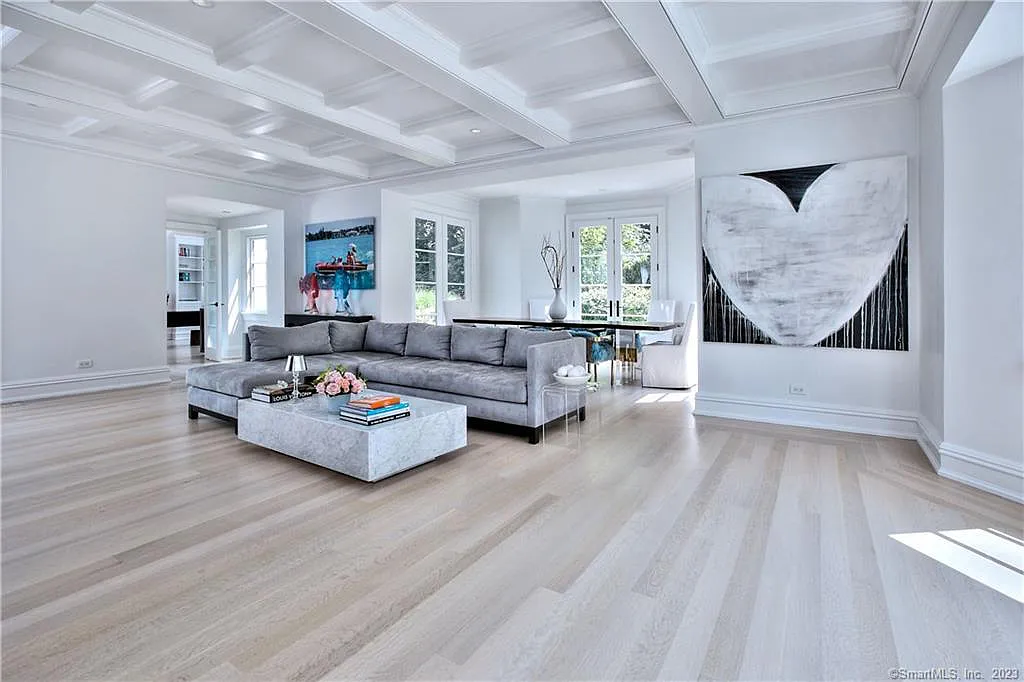 Common DIY Mistakes and Their Consequences Here are some common mistakes of DIY painting and their consequences, particularly regarding material costs: Inadequate Prep What: Failure to clean, improper filling, poor priming Result: Paint will not stick, repairs will be visible, stains will be visible, paint will fail in 1-2 years Professionally fixed cost: It may need to be readily done (average home), which can cost $4,000-8,000. Using Cheap Paint or Wrong Products What occurs: Purchasing low-cost painting material to save cash, incorrect finish, incorrect primer Consequence: low coverage necessitating additional layers (elevating cost-saving nullified), low wearability, incorrect look Cost to repair: Repaint using the correct materials. Wrong Tools What occurred: Went with inexpensive rollers, inappropriate nap, ineffective brushes, bleeding painter tape Added cost: Necessity to purchase the proper tools during the project. Rushing Drying Times What occurs When a second coat is applied before the first is completely dry, and there is no time to repair the cracking of the repairs Cost to correct: Sanding and repainting of affected areas. Painting Yourself into Corners (Literally) What occurs: lousy arrangement of painting sequence Consequence: caught in a room with wet paint, walking on drop cloths over carpet, needing to pause until it dried Cost includes: carpet cleaning, time losses, frustration. The Hybrid Approach: Do Some, Hire Some Numerous homeowners of the San Antonio do not go to extremes. What to DIY, What to Hire Good DIY projects: Simple bedrooms and rooms in proper condition of the walls. Garages, utility areas where flaws are not essential. Small touch-up projects Closet interiors Hire professionals for: Ceilings (particularly textured/vaulted) Two story and stairwells. Kitchens and bath rooms (moisture problems) Whole-house projects Exterior painting Whatever you desire excellent effects. Ready, get someone to paint: Save 15-25% When you prepare (move furniture, do some minor repairs, clean walls) then hire someone to paint. Hidden Costs and Considerations DIY Hidden Costs Tool purchase/rental: $100-300 Additional paint due to inexperience: 200400. Mistakes requiring re-doing: $100-500+ The time spent without family, other priorities: Priceless. Physical impairment (sore back, arms, knees): Real. Stress and frustration: Important to most. Professional Hidden Benefits Coverage of insurance (damage or injury) Warranty (problems fixed no charge) Expert color consultation The real knowledge of which prep is best. Trade relations (low prices of paint) No subsequent tool storage was necessary. San Antonio-Specific Considerations (for a 1,500 sq. ft. interior) The price of painting the inside of a house in San Antonio is a little more planned, and it is enhanced by some local facts. These points can be used to get scope, product specifics, and timing just right in your home. Climate & Humidity Management: It gets very hot in summer which is usually humid. Make arrangements of adequate dry time, ventilation, and eco friendly low/zero-VOC finishes, especially when using oil based paint. Use mildew-resistant paints and primers in baths and kitchens to prevent moisture-related problems in the long term (good on high-humidity days or when the air conditioning runs frequently). Seasonality & Scheduling: Spring and early summer are time-consuming with interiors and exteriors. Later in the fall and winter you will find the availability of a larger crew and even off-season prices. When you need to beat a deadline, then make reservations early--peak weeks are made quickly. Sun Exposure & UV Fade (Big Windows): Homes in San Antonio have a high south/west sun which may cause UV to fade on highly lit walls. Use superior interior paints having high color retention and, considering several key factors, make two-coats cover on rooms facing the sun. Common Substrates & Texture Matching: The drywall (orange peel or knockdown) is textured. Repairing sections, do not plan on patching the wall, plan on the texture blending. To use glossy builder finishes, a bonding/deglossing primer is used to enhance adhesion and avoid flashing. Builder-Grade to Washable Upgrade: A lot of these newer interiors begin with a flat, low end, builder-grade paint that scuffs. In case you upgrade the eggshell/satin in living space to something more washable, such as due to semi-gloss in trim/doors, included in the upgrade is the primer step to fix stained pigment and smooth the surface finish. Color Change & Heat Considerations: Dark to light painting in rooms with sun exposure normally requires an additional paint or a specialty paint. The use of lighter and reflective neutrals can make rooms seem cooler and conceal small surface irregularities of high traffic areas. AC, Dust, and Prep Work: The cycling of the HVAC can cause dust to adorn damp walls. Temporarily ask crews to cut airflow during rolling and keep floors/wall masked. The most effective cost-control tool to use to achieve a long-lasting finish is good prep that includes surface repair (filling in cracks, rubbing sand, use of stain-blocking primer). Ceilings, Trim & Doors (Scope Add-Ons): When you add ceilings, crown/baseboards, and multi- panel door, the San Antonio labor market will only charge these as an independent line item. They can extend time but significantly increase overall outcomes - in open-plan homes, in particular. Product Selection (Indoor Air Quality): To nurseries, bedrooms, and home offices low-odor, low-VOC paints can be used in order to ensure indoor air is comfortable during hot seasons when windows are closed. Budgeting for a 1,500 sq. ft. Interior: In San Antonio, wall only pricing of 1,500 sq. ft. home will come within a price of a range, which raises the question of how much does it cost to paint the interior of a house? between 2,500 and 4,000 with a reputable mid-range paint and two coats (ceilings/trim/doors are extra). The overall changes depending on the complexity of the preparation, the height of the ceiling, the similarity of the texture, and the change of the color. Decision Framework: DIY or Hire? Respond to these questions in a truthful manner: Do you have 40-80+ hours at disposal of general home? Do you like to paint or you are just trying to save money? Is this your initial project in painting? Are your walls in a good condition? Do you already possess good tools? Is it crucial to achieve the highest quality (selling home, hosting events)? Are your ceilings over 9 feet? Are you having any textured walls or ceilings? Is this a whole-house project? 5+ yes to first 4 questions: DIY may be useful 3+ yes to final 5 questions: Hire professionals. At Rodriguez Painting San Antonio you can hire our professional painters for a quick scope review and timeline, or request a free estimate. Call us at 210-862-3090 and get a free quote today. Conclusion For a 1,500 sq. ft. interior, DIY can trim upfront spend but demands time, gear, and comfort with prep standards (patching, priming, cut lines). Pros compress timelines, produce consistent finishes, and manage the details (from two-coat coverage to VOC considerations), which often yields a better lifecycle cost. Use the table and factors here to build a clear scope, then compare apples-to-apples quotes. This supporting guide links to your pillar article for comprehensive cost breakdowns related to your home's painting project: DIY vs. Hiring a Pro: Which Is Cheaper to Interior House Paint. Ready to compare DIY vs. pro on your 1,500 sq. ft. home? Before starting your next project, it’s important to understand the real cost difference between DIY work and professional services. Read our guide on DIY vs. hiring a professional painter: which option is cheaper for interior house painting to make an informed decision. FAQs What’s a realistic cost to paint a 1500 sq ft house interior (walls only)? Expect $2,500–$4,000 in many markets for two coats on walls, with ceilings/trim as add-ons. Quotes vary with prep, height, and product selection. Do painters charge by room or by square foot? Both occur. Per-sq-ft is common for whole-home jobs; per-room minimums appear on smaller projects. What paint finish should I use? Eggshell/matte for living areas, satin/semi-gloss for kitchens, baths, and trim (washable & moisture-resistant). Are low-VOC paints worth it? Yes—improved indoor air quality and fewer odors during/after the job. Proper ventilation still matters. How long should interior paint last? With good prep and the right finish, 5–10 years is typical, shorter in high-abuse areas.