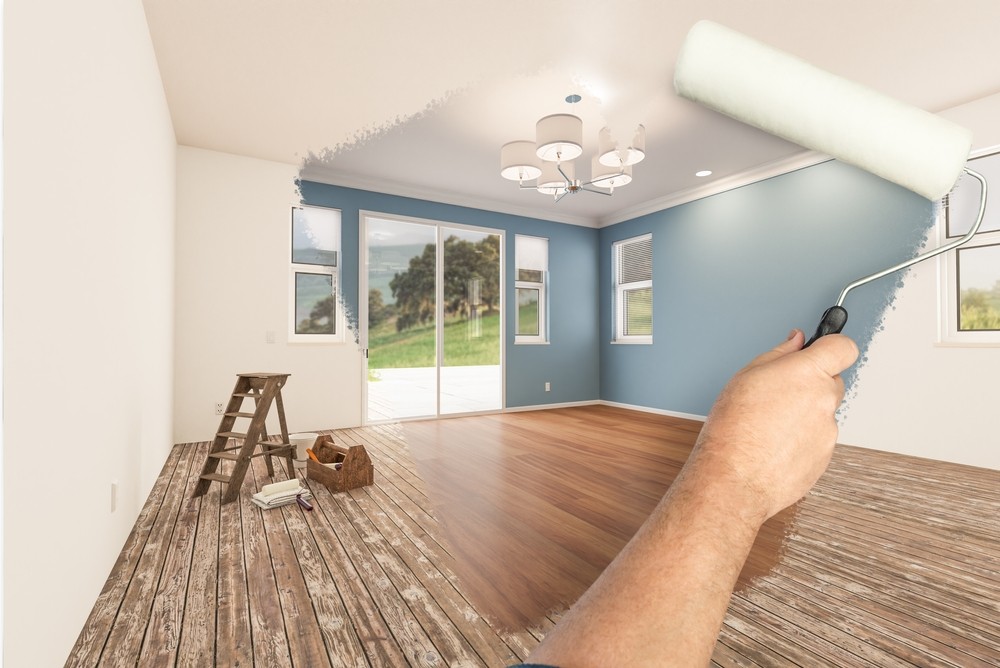

If you’re considering a new coat of paint for your home in San Antonio, TX, you may be curious about the cost. Specifically, how much does interior painting cost to paint the inside of a house? Also, is it more affordable to do it yourself or hire a pro?
This brings up the question of painting costs, how much does it cost to paint the interior of a house. The one-liner: it is based on square footage, surface prep, paint system (primer + coats), finish (eggshell, satin, semi-gloss), and your tolerance with timelines, tools, and rework. We compare DIY and professional costs. We also share average prices for the average interior painting project in San Antonio. This helps you find where you can save money and what risks your face.
What Influences Interior Painting Price?
The cost, whether you do it yourself or hire someone, depends on key factors like labor costs:
-
Square space (two story foyers, vaulted ceilings add time/equipment).
-
Condition of wall (patching drywall, caulking, stain-blocking, priming).
-
Quality of paint systems and paint type (VOC low or premium lines vs. contractor grade).
-
Scope creep (ceilings, trim/baseboards, doors, accent walls).
-
Scheduling and seasonality matter. High seasons can lead to price hikes, while low periods often bring discounts.
Warm weather helps things dry faster. However, humidity, especially after rain, can still affect open time and curing. Older buildings in the city often require more texture blending and repair work. They also need extra joint compound or primer compared to newer ones. Local wage rates are competitive with national ones. The finish quality needs to be high. This includes smooth cuts, straight caulk lines, and a consistent sheen.
National & Local Benchmarks
HomeAdvisor reports that the cost of painting interiors is about $2 to $6 per square foot for walls. Ceilings and trim are extra. If you’re painting a whole house, the estimated cost is between $2,000 and $6,000. This varies based on size, surfaces, and area.
Blended rates go up when you include ceilings and trim, usually hitting the higher end. Room costs and overall cost also rise with larger sizes and taller walls.
In San Antonio, local rates for painting a whole house usually range from $2 to $7 per square foot for interior work. This is for at least two coats, especially in high-traffic areas. Extras can enhance trim, doors, or built-ins. This aligns with national standards but remains sensitive to the project's scope.
National ranges are helpful, but the scope and wall prep in San Antonio matter more. The presence or absence of ceilings or trim will greatly affect your final number.
How Do the Costs Compare Between DIY Painting and Hiring a Professional Painter?
Prices vary for DIY projects based on materials and time spent. Professional quotes combine labor, expertise, and project management into one price. DIY painting can seem like a way to save money. Homeowners often think they avoid labor costs. However, they still need to buy tools, paint, and possibly rent equipment, including moving furniture. Plus, they spend their own time on the project, which is an opportunity cost that can be overlooked.
Professionals charge for labor, overhead, and markup on materials. Their rates often cover preparation, repairs, and cleanup. This can lower hidden costs and reduce rework.
Professionals charge for labor, overhead, and markup on materials. Their rates often cover preparation, repairs, and cleanup. This can lower hidden costs and reduce rework.
The next sections break down several key factors, DIY hidden costs, pro pricing models, and the true financial benefits of hiring a professional for different interior projects. This way, you can make direct comparisons.
What Are the Initial and Hidden Costs of DIY Painting?
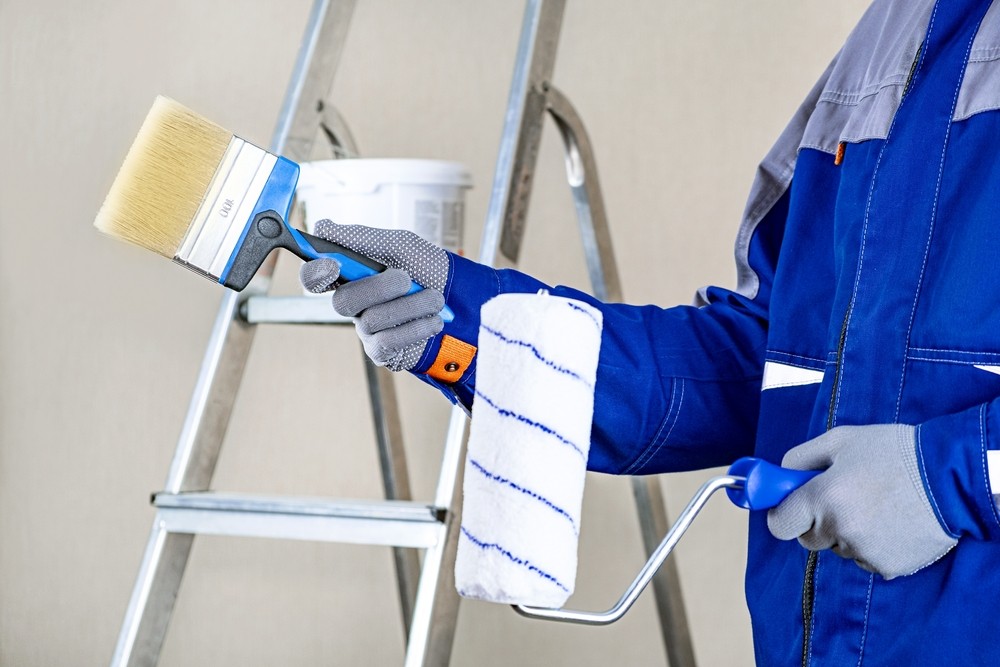
DIY start-up expenses include various paint types, primers, rollers, brushes, tape, drop cloths, and patching materials. The costs can add up quickly, depending on the coverage and quality of the products.
DIY costs often hide behind several factors. Time spent on prep and painting adds up. Mistakes can lead to redoing work or needing extra coats. Renting tools like sprayers or scaffolds for high areas also raises costs. Plus, there are fees for improper disposal, especially where local laws apply. All of this can make the project more expensive than just the paint itself.
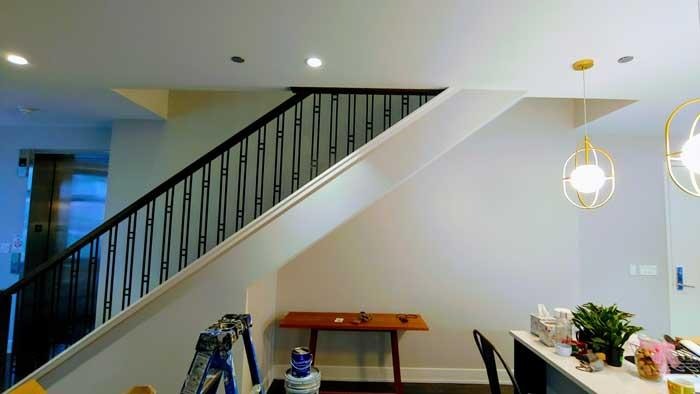
When painting a mid-sized bedroom, you might need several paint cans and extra brushes. This is especially true if you use cheap tools. Poor cutting-in or drips can lead to mistakes, requiring extra time and money to fix. This can erase any expected savings.
Homeowners should budget for the material list. They also need to include a contingency to cover unexpected costs. This helps keep the project on track. It's normal to look at these simple items. Then, compare their total to typical professional pricing models.
-
The first DIY buys usually include paint, primer, brushes, and rollers. You might also need tape, drop cloths, and sometimes special tools.
-
Costs can be hard to see. They cover time spent, rental gear, disposal costs, and extra work needed after errors.
-
Requesting multiple quotes and having a contingency budget of 10-25 percent on top of estimated material costs can lessen the chances of having unforeseen costs in total costs.
These products show why a seemingly cheap DIY project can end up costing more. The table below shows the average costs for DIY and professional options. This makes it easy to compare the two.
Comparison of various components of costs between DIY and professional painting projects.
|
Area / Room Type |
Average Cost Range |
Cost per Sq. Ft. (walls) |
Notes |
|---|---|---|---|
|
Bedroom (10×12) |
$300–$700 |
$2.50–$4.00 |
Includes typical patching; add for ceiling/trim |
|
Living Room |
$600–$1,200 |
$2.50–$4.50 |
High walls & vaulted ceilings push upper range |
|
Kitchen |
$400–$800 |
$3.00–$5.00 |
Degreasing & stain-blocking primer common |
|
Bathroom |
$200–$500 |
$2.00–$3.50 |
Moisture-resistant paints recommended |
|
Whole Home (1,500 sq ft) |
$2,500–$4,000 |
$2.50–$3.50 |
Walls only; add ceilings/trim separately |
This comparison shows that DIY can cut visible material costs. However, it won't offer protection and may lead to hidden expenses. A professional often handles these issues.
How Much Does It Typically Cost to Hire a Professional Painter?
The prices of professional painters are usually offered in three formats: per-square-foot when there is a large exterior or a big room where the scope is clear, per-room when the room size is clear, and hourly when the scope is not clear or when the work is small.
Pricing can also differ widely across regions. An average quote of a professional will include surface preparation, any type of repairs (patching, sanding), application of primer and paint, trim and detail work, clean up.
It might include materials and special finishes. So, homeowners should ask for a detailed breakdown of the quote. To compare quotes, focus on the same brand of paint and sheen. Also, include patching, minor carpentry options, and cleanup and disposal plans. This way, you can make true apples-to-apples comparisons.
Asking for timeframes and warranties can help show the value beyond just the price.
What Is the Long-term Economic Value of Professional Painting?
Professional painting lasts longer. It involves better prep, high-quality materials, and even application. This approach saves money on repaints and reduces lifetime costs.
Warranties and guarantees protect homeowners from early breakdowns. They also provide an option for touch-ups, helping lower life cycle costs. This is better than DIY, where early repainting might be needed.
A professional exterior or interior update boosts resale value. It improves perceived condition and builds buyer confidence. This can lead to quicker sales or higher offers in a competitive market.
A simple 3–5-year look at repainting, touch-ups, and your time can help you choose between DIY and hiring a pro. This comparison shows that paying more for professional work can save you money in the long run.
What Are the Time and Efficiency Differences Between DIY and Professional Painting?
Time efficiency differs between professionals and DIYers. Professionals use teams, staging, and specialized tools to speed up projects. In contrast, DIYers often work alone or in small groups. They face limits due to availability and their learning curves.
A homeowner-run project needs to consider prep time and drying time between coats. It should also plan for possible delays due to repairs or weather. These factors can extend the overall timeline.
Professional crews divide tasks. They prep, cut in, roll, and clean up all at once. They often use sprayers and scaffolds to cover large areas faster. This method saves time effectively. Balancing time investment with deadlines, like a sale or big event, helps you decide when to hire a pro. Urgency can make a difference.
The next subsections cover general DIY schedules. They show how pros can save time and provide checklists where time matters in decision-making.
How Much Time Does a DIY Painting Project Usually Take?
A DIY paint job can take just a few days or one weekend for a small room. However, a large room needing repairs and two coats for a fresh paint job may take several days or even a week. This is due to the extra preparation and drying time needed.
Prep activities—sanding, patching, priming, and masking—often take up the most DIY time. The waiting time between layers of paint and primer is unavoidable.
Drips and uneven coverage cause delays. They add extra hours to fix, pushing the schedule back. This makes meeting short deadlines even harder.
Knowing what activities are time sinks will help homeowners plan trips better on weekends or get professional help when they’re short on time.
-
Average DIY schedules can be as short as one weekend depending on the size of the room and as long as several days in the case of larger or more in need of some heavy repairs.
-
The preparation and drying time can be many hours longer than the actual time of the paint work.
-
Late deadlines can be avoided by accounting the rework and weather.
Under time constraints, the next section describes the manner in which pros can reduce the elapsed time dramatically by use of organization and equipment.
How Do Professional Painters Save Time and Increase Efficiency?
The efficiency is enhanced by professional painters through the application of crews that work on parallel tasks such as having one person prep and another cut in, and through the use of airless sprayers, scaffolding, and special ladders that can reach a large or high area in a shorter time than the DIY tools.
When the workforce is task-oriented and has extensive experience in project management, idle time between tasks is minimized and drying windows are utilized to the optimal, whereas pros tend to find quicker-curing primers and more covering topcoats so that fewer passes are needed.
Scheduling expertise enables specialists to plan multi-room or exterior jobs in order to create the least amount of disruption and hastened overall completion and this proves particularly in whole-house projects. Such efficiencies provide a consistent timeline which can be trusted by the homeowners during comparison with the fluctuating speed of DIY.
When Does Time Commitment Influence the Decision to Hire a Pro?
Time commitment is critical when the homeowner is confronted by hard deadlines or when free time is limited, or opportunity cost is high: the homeowner must prepare his or her home's painting project to sell or move in.
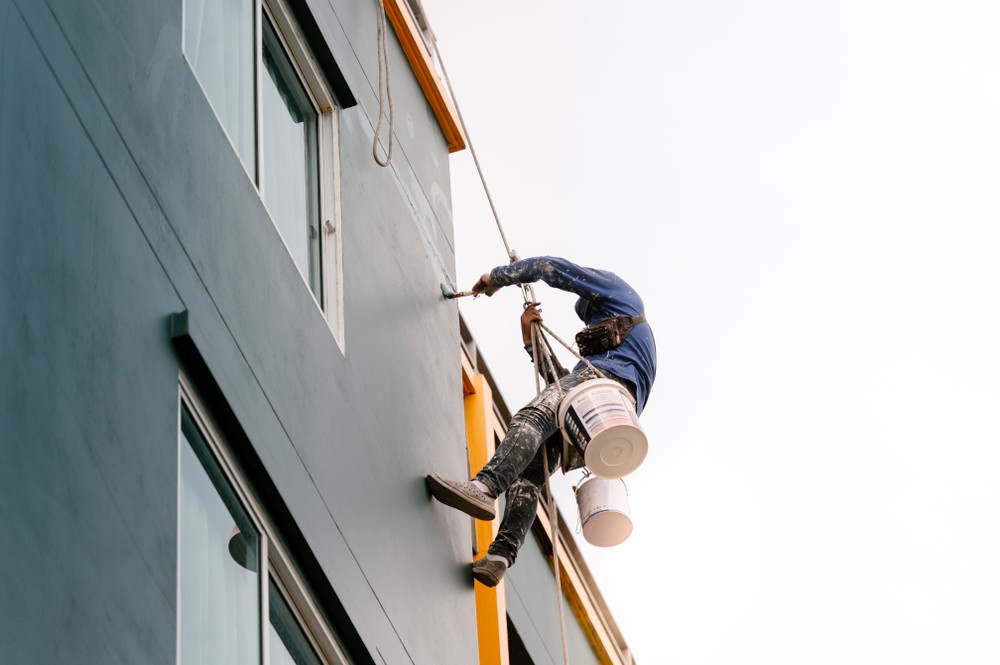
When the project scope takes many days of work, complicated preparation, or working at some heights where time is associated with safety then it is always wiser to select professionals.
Be honest about personal availability and weigh against the level of scheduled completion that a professional quote offers; when personal tolerance of schedule is low, the cheapness of hire staff frequently balances the stress and schedule risk of DIY.
This comparison gives the next result the analysis of the differences in the quality of finish of DIY and professional work which also can influence the maintenance in the long term.
How Does the Quality of a Professional Paint Job Compare to DIY Results?
Quality disparities are based on the preparation standards of the surface, the spread of paint, the technique and inspection procedures; experts tend to create much more consistent adhesion, evenness, and sharp edges.
Professional painters adhere to a method of preparation, correcting substrate problems, using the right primers, and environmental control during application, which enhances both wear and cosmetic appearance.
Some of these actions can be duplicated by homeowners, but most common DIY shortcuts such as poor sanding or improper primer selections often result in premature peeling or uneven appearance.
Being informed of what exactly affects quality will make a homeowner be prepared to either elevate their DIY-standards or understand what a professional finish will deliver with premium paints ; the following subsections denote the DIY risk factors, pro quality controls and common DIY appearance challenges.
What Factors Affect the Quality and Durability of DIY Painting?
The quality and durability of the D.I.Y. dimension depends on the preparation of surfaces, proper choice of the primer and paint, the tools, and the conditions in the environment where it will be used like temperature and humidity.
Lack of cleaning or removal of loose material will give inappropriate adhesion; low-cost paint will wear out and fade quickly; and old brushes or inexpensive rollers will create uneven texture and brush strokes.
Technique: lap marks and streaks are minimized through uniform strokes, appropriate rolling pressure, and overlap, and soft films are minimized by allowing adequate time between layers to dry. Being aware of such variables enables the homeowners to focus on the most effective prep and material upgrades to enhance results.
What Do Experts Do to guarantee the Outstanding and permanent Finish?
The high-quality finishes performed by the professionals are based on the standard workflows: proper inspection and repair of the surfaces, the appropriate use of the primer systems to the substrate and coating compatibility, the application of the topcoats to the manufacturers requirements, and the post-job inspection with some punch-list touch-ups.
They tend to work with superior grade paints that contain better pigment load and film characteristics, apply uniform film thickness by sprayers or controlled rolling methods and control environmental factors by scheduling and equipment to maximize curing.
Last inspection checks adhesion and smoothness as well as crisp edges and assures any gaps that are left are ultimately closed, documented touch-ups increase the life of the coating. These controls have a direct impact on the long-term financial value that was mentioned above.
What Are Common DIY Painting Challenges That Impact Quality?
Some of the usual DIY errors are lap marks caused by rolling unevenly, cutting-in lines left muddy or feathered, dripping brushes, insufficient priming that leaves a stain showing through and wrongly selected sheen that emphasizes surface imperfections.
Every mistake can be fixed easily, such as sanding and re-painting, proper brush/roller technique, or just applying the right primer but the remediation is cost and time-consuming which usually cancels the amount of money saved when doing it yourself.
Issues relating to visual consistency also stem in the combination of various paint lots that have not been blended or maintaining wet edges and thus forming patchy spots. Learning the common traps is useful in enabling a DIYer to either avoid these traps or choose that the consistency and warranty of a professional is worth the money.
When Should You Hire a Professional Painter Instead of Doing It Yourself?
When the complexity of the project, safety hazards, time limitations, or quality of the finish desired is beyond the ability of the DIY and may require specialty paints, it is recommended to hire a professional painter.
Some of the more typical projects that would involve professionals are the full exterior repaint, high ceiling rooms, textured or stucco overlay, lead-paint removal and specialty finish like cabinetry or faux finish where skill and equipment are important.
There is also insurance and warranty benefits that skew the scales at favor of the pros when it comes to homeowner liability, or any possible damage as a concern, especially when needing more paint.
These subsections describe particular types of projects, the insurance considerations, and the homeowner safeguards which a professional typically offers in order to fit project requirements to the appropriate method.
Local Considerations for DIY vs. Hiring a Pro
-
Humidity or heat: Prepare stable temp or humidity window dresses. Quick drying is excellent when you have plenty of time to dry until you happen to be cutting in a large room and time to open runs out, especially when using cheap paint making lap marks.
-
Blending of texture: Orange-peel or knockdown tirelessly are commonly found in many houses, and patches that need repair have to be feathered.
-
Seasonal demand: The time frame Spring or early summer is good to update the interior; off-season (late fall or winter) may allow scheduling options and can even lower painting costs and offer better prices.
-
Paint choice: Low or zero VOC lines are beneficial to indoor air quality - significant when you are painting two or more rooms at a time.
San Antonio-Smart Tips to Save on Costs
-
Room batches: When several rooms are painted simultaneously, the room-based pricing is better.
-
Select washable finishes (eggshell or satin) in the places of heavy traffic to save additional repainting.
-
Off-season booking may enhance the availability and even price.
-
Write down scope (primer, number of coats, ceilings, trim, doors), to prevent change orders.
-
Color consultation during consultation, prevents gawky repaints due to wrong color and finish.
At Rodriguez Painting San Antonio, we offer our professional services in painting. What are you waiting for? Please feel free to call us at 210-862-3090.
Conclusion
In case you are painting one or two simple rooms, your walls are in good condition, and you already possess the tools, DIY may be less expensive initially. However, when you get to painting the house interior, including ceilings, trim or doors, repairing textures, or require a fast and uniform finish that carries a warranty, it may be wise to hire professional painters as they are cheaper overall when considering how much does it cost to paint the interior of a house.
Majority of homeowners in San Antonio prefer quality and professional services that deliver exceptional results that would create real value in the homes.
Need an accurate, line-by-line quote?
Contact Rodriguez Painting San Antonio or call us at 210-862-3090 to get an accurate estimate in a short time.