Estimating the cost to paint exterior of house can feel confusing because two homes with the same square footage can produce very different quotes. The difference usually comes from paintable surface area, prep work, access, siding type, and the paint system, not just the size of the home.
Most homeowners want one number, but exterior painting costs are not a single flat rate. The cost changes based on how much surface you are actually painting, and how much repair and preparation the exterior needs.
When estimates are built on guesses, it becomes easy to overpay, or to accept a low quote that excludes the expensive parts, like scraping, priming, and caulking. Those missing steps often show up later as peeling paint, visible lap marks, and premature failure.
A professional estimate follows a repeatable method. If you want a reliable exterior house painting cost estimator, you can use the same method contractors use and then compare quotes with confidence.
If you want a dependable exterior house painting cost estimator, you need a process that breaks the project into measurable parts. That means measuring paintable surfaces, planning prep time, selecting the right coatings, and confirming what the quote includes.
This guide is written for homeowners in Texas, with practical notes for the San Antonio market. It also reflects widely cited industry pricing ranges and cost drivers from major home improvement and cost reference publishers.
To go into the exterior paint pricing and options, refer article to Exterior House Painting Cost Guide: What Homeowners Should Expect to Pay, exploring what is the average cost to paint the exterior of a house.
What Most Exterior Painting Estimates Include
Before you start pricing, you need to define scope. Many pricing ranges you see online refer to a standard repaint with typical prep, but real projects vary.
A complete exterior painting scope often includes:
• Protection of landscaping and hardscapes
• Surface cleaning, often power washing
• Scraping and sanding loose paint
• Patching minor cracks and small holes
• Caulking gaps around trim and joints
• Spot priming bare or repaired areas
• Two coats on siding where required
• One or two coats on trim depending on color change
• Cleanup and disposal
If a bid does not clearly list prep, coats, and included areas, you are not comparing equal estimates.
Understanding what goes into an exterior painting estimate can help you budget more effectively and avoid unexpected expenses. Our exterior house painting cost guide explains the factors that influence pricing and what homeowners should expect to pay.
Step One Measure Paintable Surface Area
Square footage of the home is not the same as paintable surface area. A one story ranch and a two story home can have similar interior square footage but very different exterior wall area.
A simple way to estimate paintable wall area is:
-
Measure the perimeter of the house in feet
-
Multiply perimeter by average wall height
-
Subtract large openings like big garage doors if you want a closer number
-
Add gables and second story sections if present
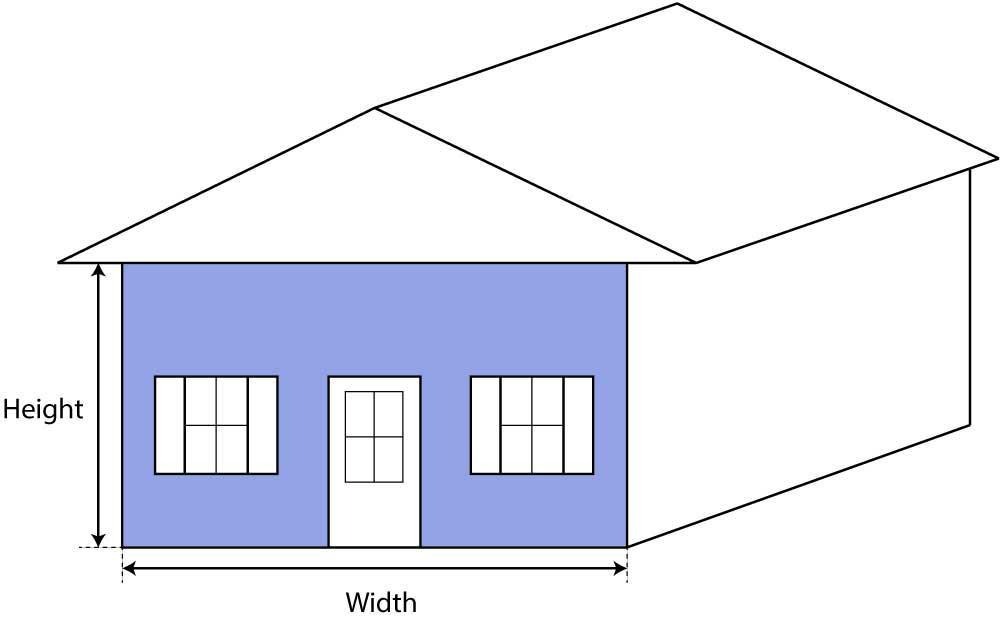
Example:
Perimeter: 160 feet
Average wall height: 10 feet
Estimated wall area: 1600 square feet
If the home has many windows and doors, you can subtract a percentage, but many pros do not subtract much because cut in and trim work offsets the reduced paint coverage.
This step matters because many national cost references cite pricing per square foot for exterior painting. Some reference exterior painting costs in a per square foot range, which only makes sense if you are estimating paintable surfaces, not interior square footage.
Step Two Identify Siding Material and Condition
Siding type affects prep time, primer needs, and paint consumption.
Common exterior surfaces in Texas include:
• Stucco
• Fiber cement
• Wood siding
• Brick that is already painted
• Engineered wood products
• Metal surfaces on fascia or trim
Brick and porous surfaces may require more primer and more paint. Angi notes that painting brick can be more expensive and may require primer due to porosity.
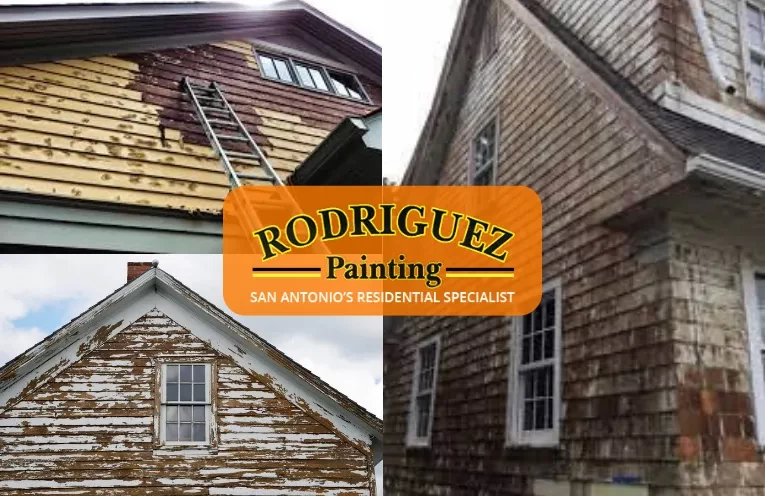
Wood siding often requires more scraping and sanding, especially when older layers are failing. A recent cost factors guide highlights that wood siding can require extensive prep, which can materially increase per square foot costs compared to lower prep surfaces like vinyl.
Condition also matters:
• Peeling paint
• Chalking on stucco
• Failed caulk lines
• Rot or soft wood
• Rust on metal elements
• Water staining
A good estimator assigns a prep level. Think of it as light, moderate, or heavy prep. That prep level will drive labor hours.
Step Three Define Prep Work Scope
Prep is where professional estimates separate from rough guesses.
Typical prep tasks include:
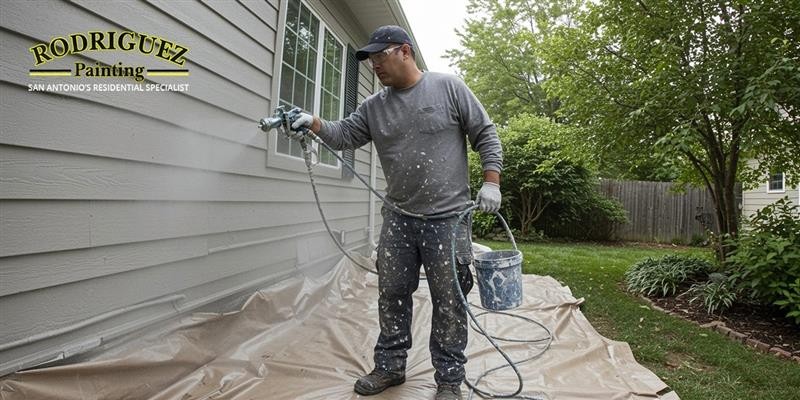
• Power washing to remove dirt and contaminants
• Scraping and sanding loose paint
• Caulking joints and gaps to reduce moisture intrusion
• Priming bare wood, patched areas, or stains
These steps are frequently cited as standard prep items in professional painting cost discussions.
A practical estimator approach is to assign a prep multiplier:
• Light prep: minimal scraping, mostly cleaning and caulk touch ups
• Moderate prep: visible peeling in some areas, spot priming, patching
• Heavy prep: widespread peeling, extensive scraping, wood repairs, full prime in sections
Heavy prep projects can add meaningful cost and time because labor drives much of the total. Some emphasize that size, condition, and required prep are major factors.
Step Four Choose Paint Type, Sheen, and Coating System
Paint cost is not just the gallon price. It is the full system:
• Primer type
• Number of finish coats
• Paint line quality
• Color change complexity
• Exposure level on the home
Exterior coatings must handle UV, heat, and weather. In South Texas, sun exposure is intense, so higher grade exterior paints and correct prep can provide better durability.
Coats matter. A deep color change often requires additional coats and sometimes tinted primer.
Different sources cite different national ranges because they include different assumptions about paint quality, prep level, and what areas are included. For example, a per square foot range for painting an exterior wall that tends to reflect a more involved scope.
If you want an estimator that matches real quotes, include realistic material allowances:
• Caulk
• Primer
• Paint
• Masking materials
• Brushes and rollers
• Plastic and tape
• Minor patch materials
Step Five Add Trim, Doors, Fascia, and Details
Many homeowners think of exterior painting as just siding. In real estimating, details can add significant labor.
Common add ons include:
• Trim boards and window casings
• Fascia and soffits
• Shutters
• Front door and garage door
• Porch railings
• Columns
Trim adds time because it requires careful cut in, masking, and often a different sheen.
If a quote looks low, verify whether trim and doors are included. Trim and windows can increase labor time and overall cost due to detailed work.
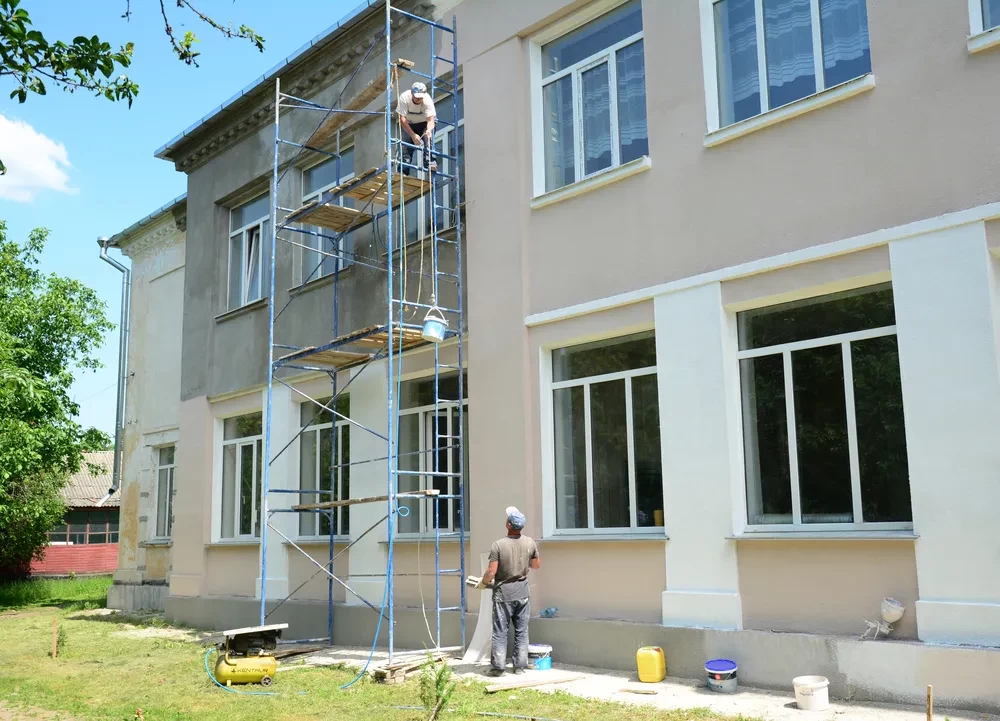
Step Six Account for Height, Access, and Safety
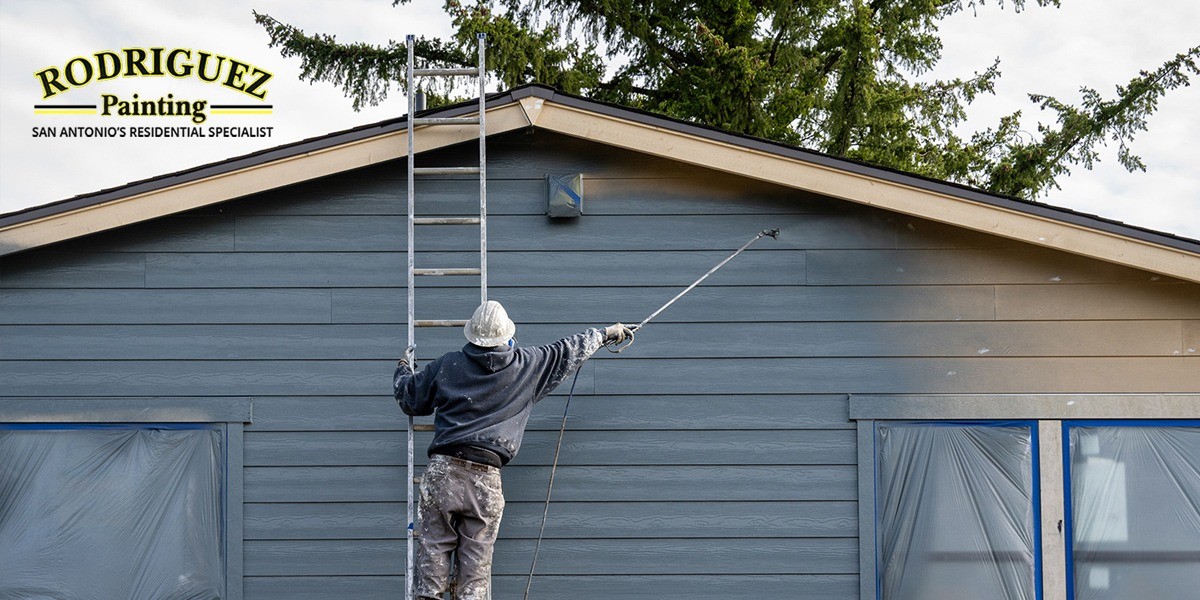
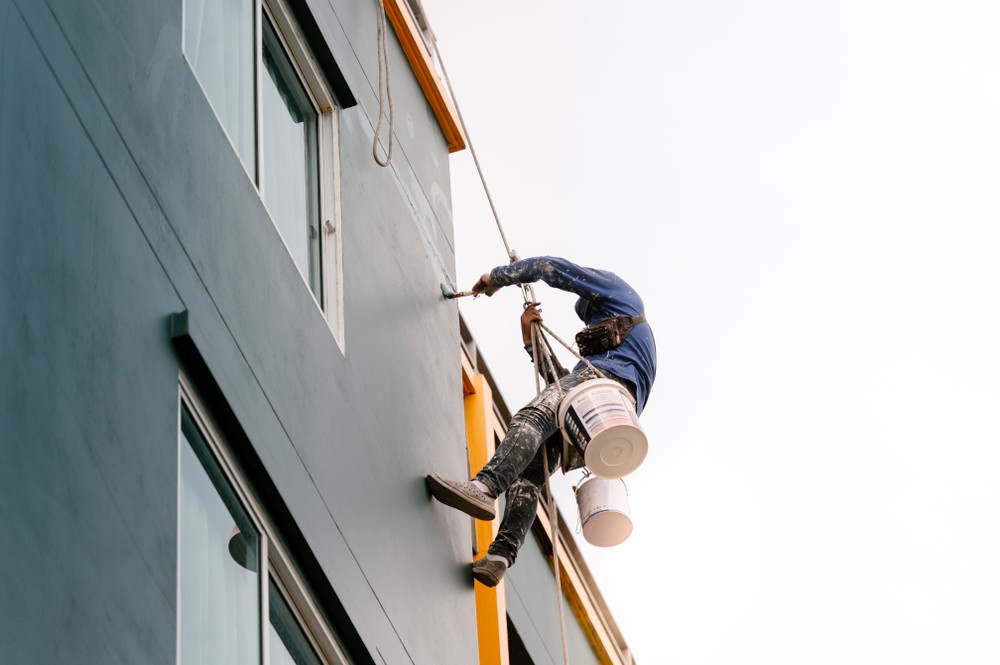
Height increases cost because it increases labor time, equipment needs, and safety planning.
Cost drivers include:
• Two story or three story elevation
• Steep slopes or hard access
• Need for ladders, scaffolding, or lifts
• Tight landscaping around walls
• Limited driveway access
Several cost guides explicitly mention lifts or scaffolding and difficult access as reasons costs rise.
If your home requires special access, your estimator should add an access factor.
Exterior painting costs can vary based on several factors—learn what homeowners should expect to pay in our detailed guide covering pricing, labor, and material costs.
Step Seven Apply Realistic Cost
Now you apply a realistic baseline rate and then adjust for scope.
Why do numbers differ so much across sites?
Because each source defines the project differently:
• Some use wall area. Some use home square footage.
• Some include trim. Others price it separately.
• Some assume light prep. Others include prep and repairs.
• Some assume standard paint grade. Others assume premium paint.
A professional estimator does not chase one magic number. It builds your number from your scope.
Exterior House Painting Cost Estimator Example Calculations
Below are example calculations to show how a pro style estimate is built. These are not quotes. They are a structured method.
Example A One story home, light prep, simple trim
Paintable wall area estimate: 1800 square feet
Baseline rate: 2.20 to 4.37 per square foot
Walls cost range estimate:
1800 times 2.20 equals 3960
1800 times 4.37 equals 7866
Add trim and door allowance:
Trim package and doors can be a separate line item. If included in the baseline, ensure your rate assumption includes it. Detailed trim and windows increase labor time.
Adjust for paint quality and color change:
If premium paint, add a reasonable materials uplift and confirm coats.
Example B Two story home, moderate prep, multiple details
Paintable wall area estimate: 2600 square feet
Baseline rate: 1.50 to 4.00 per square foot is commonly cited for many scenarios across major guides
Walls cost range estimate:
2600 times 1.50 equals 3900
2600 times 4.00 equals 10400
Add access and safety:
If ladders are not sufficient and a lift is needed, add an equipment line item. Some guides cite higher per square foot ranges when lifts or scaffolding are required.
Add heavy prep where needed:
If peeling is widespread, add labor hours for scraping and priming. Prep is repeatedly referenced as a major variable.
.jpeg)
Example C San Antonio style stucco, sun exposure, moisture considerations
Stucco homes are common in South Texas. Stucco can show hairline cracks and needs careful prep. If repairs are needed, those costs come before paint. Stucco repair costs can vary widely, and that painting after repair can add cost, especially if a larger area must be blended.
In these cases, a pro estimator does two scopes:
• Repair scope
• Paint scope
This prevents surprises and protects durability.
Exterior Cost for Quick Budgeting
These tables help you estimate the cost to paint exterior of house by common variables. Use them as planning tools.
|
Pricing Method |
Typical Range |
What it usually reflects |
|---|---|---|
|
Per square foot, general guidance |
1.50 to 4.00 per square foot |
Commonly cited baseline ranges for many projects |
|
Per square foot, location adjustable estimate |
2.20 to 4.37 per square foot |
Cost model with zip code factors |
|
National average style range |
Typical homeowner ranges vary |
Depends on what is included |
Siding and surface considerations
|
Surface type |
Cost impact trend |
Why it changes the estimate |
|---|---|---|
|
Wood siding |
Often higher |
Scraping, sanding, spot priming can be extensive |
|
Brick |
Often higher |
Porosity and primer needs |
|
Stucco |
Variable |
Crack repair and patch blending may be needed before paint |
|
Fiber cement |
Moderate |
Holds paint well but still needs correct primer and prep |
San Antonio and South Texas Pricing Considerations
San Antonio weather brings intense sun and heat. That exposure can accelerate fading, chalking, and caulk failure if the coating system is not chosen correctly.
Season also matters. Contractors can be busiest during popular repaint seasons, which affects scheduling.
Local market pages and regional guides often cite wide ranges for San Antonio exterior painting. Use those as context, but rely on the structured estimator method so your number reflects your home, not a generic city average.
In practice, the most accurate approach is:
• Measure paintable area
• Confirm prep level
• Confirm inclusions like trim and doors
• Select coating system
• Compare line item scopes
At Rodriguez Painting San Antonio, we keep estimates clear and scope based so homeowners can see what they are paying for without guesswork.
Maximizing Your Painting Investment
A smart estimate is not only about price. It is about the life of the finish. The goal is to reduce repaint frequency by choosing correct prep, correct products, and correct timing.
When exterior paint fails early, the repaint cost is not just money. It is also time, disruption, and lost curb appeal.
If you want your estimate to reflect true value, include these best practice items in the scope.
Best Practices for Long Lasting Results
Quality prep has compounding benefits. When surfaces are clean, sound, and properly primed, paint bonds better and resists peeling.
A practical way to think about value is paint life. With solid prep, many homeowners can extend the useful life of an exterior repaint significantly.
Choose paint grades based on exposure. South facing walls in Texas take more UV. Shade facing walls may hold color longer.
Match the paint system to the substrate. Brick and porous materials can demand primer. Wood may require more sealing and spot priming.
Plan for maintenance. Small touch ups can prevent moisture intrusion at joints and seams. That helps you avoid larger repairs.
Consider climate factors. Heat and humidity influence dry time and curing. Moisture resistant formulations are often a better fit in humid conditions.
Prep work is repeatedly recognized as a major variable in exterior painting costs and outcomes, including tasks like pressure washing, scraping, caulking, and priming.
When to Schedule Your Project
Timing affects both scheduling and sometimes price. Exterior painting is most successful when weather supports curing.
In Texas, extreme heat can complicate application timing, especially on sun exposed walls.
A practical timing guide:
• Interior painting: year round availability, winter can offer better rates in many markets
• Exterior painting: spring and fall often provide more stable conditions
• Avoid peak heat months: very hot periods can affect application windows and worker efficiency
If you are comparing bids, ask each company what conditions they plan for and how they avoid painting under harsh sun.
DIY vs Professional Estimating Reality Check
DIY calculators can help you plan, but they often miss labor and prep.
A cost model that highlights how site conditions and options change the per square foot estimate. That reinforces why a fixed rate shortcut usually fails.
Professional estimates typically include:
• A defined prep plan
• Specific products
• Coat counts
• Defined included areas
• Access and protection plan
If you decide to paint yourself, build your budget with:
• Paint quantity math based on coverage rates
• Primer allowances
• Repair materials
• Ladder and safety equipment
• Time value
If curb appeal and durability matter, professional execution often reduces risk of early failure.
Common Estimating Mistakes to Avoid
-
Using home square footage as paintable area: This usually underestimates wall surfaces.
-
Ignoring prep level: Prep is one of the biggest variables.
-
Comparing bids without matching scope: One bid may exclude trim or doors.
-
Forgetting access and equipment: Lifts and scaffolding change cost.
-
Assuming one coat coverage: Many repaints require two coats for durability or color change.
Not accounting for substrate needs: Brick and wood often need more prep or primer.
At Rodriguez Painting San Antonio you can hire our professional painters for a quick scope review and timeline, or request a free estimate. Call us at 210-862-3090 and get a free quote today.
Conclusion
Estimating the cost to paint exterior of house like a pro is not about finding one national average and hoping it fits. It is about building a scope based estimate that matches your home.
Measure paintable surfaces. Confirm siding type and condition. Assign a real prep level. Choose a coating system that fits sun exposure and weather. Add trim and details intentionally. Then apply realistic benchmarks from trusted cost references and adjust for access.
When you use this method, you can compare quotes confidently, ask better questions, and avoid surprises. It also helps you plan the project timeline and protect your investment.
To go into the exterior paint pricing and options, refer article to Exterior House Painting Cost Guide: What Homeowners Should Expect to Pay, exploring what is the average cost to paint the exterior of a house.
Ready for a scope based exterior quote in San Antonio?
Contact Rodriguez Painting San Antonio or call at 210-862-3090 for a clear line item estimate built around your home and your goals.
FAQs
What is the average cost to paint exterior of house per square foot?
Many widely cited guides place exterior painting in a broad range, often around 1.50 to 4.00 per square foot depending on scope, prep, and location.
Why do exterior painting quotes vary so much?
Quotes vary because painters may include different prep levels, different coat counts, different paint grades, and different included areas like trim and doors. Prep tasks such as pressure washing, scraping, caulking, and priming are commonly cited as major variables.
How do I use an exterior house painting cost estimator correctly?
Start with paintable surface measurements, not interior square footage. Then define siding type, prep level, coats, and add ons. Finally apply a benchmark range and adjust for access and details.
Is it cheaper to paint brick, stucco, or wood?
Costs vary. Brick can be more expensive due to porosity and primer needs. Wood can cost more if prep is extensive. Stucco can be variable if crack repair is required before painting.